French Roulette variant Presented for Novice Players
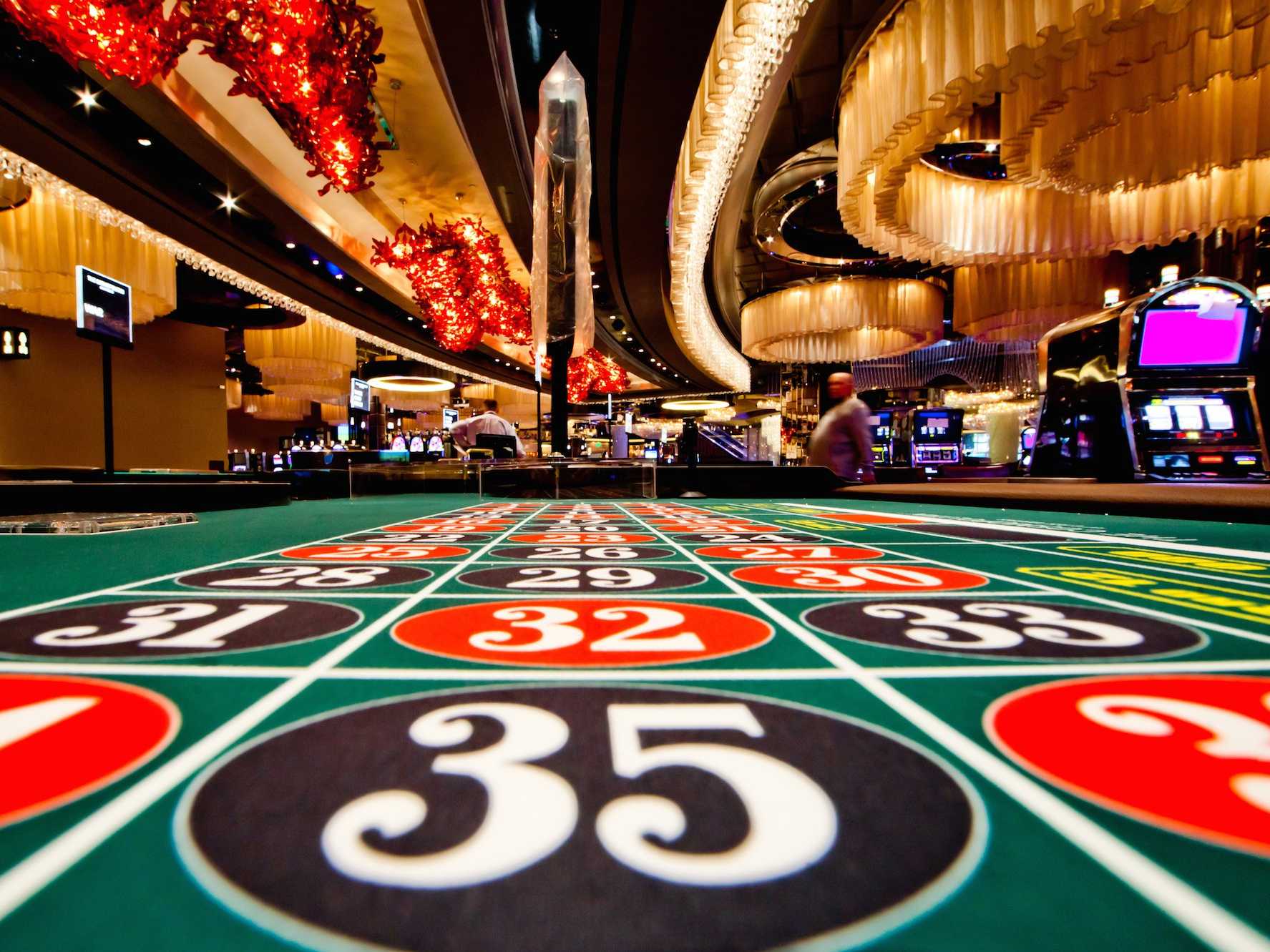
French Roulette represents the most elegant and player-friendly edition of the standard casino wheel game https://westace.edu.pl/. Its single-zero configuration, characteristic table design, and distinct player-protective regulations differentiate it from both American and European versions. For new gamblers entering the sphere of online gaming at Westace Casino, understanding French Roulette opens the door to a activity where the house edge can be considerably smaller than many realize. The elegance of the French-style table, with its racetrack betting area and terms derived from the game’s noble past, might look intimidating at first glance. Nevertheless, behind the scenes is a uncomplicated framework of bets that rewards those who make the effort to master its nuances. This guide breaks down every crucial aspect, from the wheel’s design and the significance behind the French names to the renowned La Partage and En Prison rules that give players a genuine numerical edge on equal-odds stakes. By the end, the newcomer will possess a definite guide to tackle the table with assurance and tactical knowledge.
What Makes the French Roulette Wheel and Table Layout Different
The Number Sequence and Single Zero on the Wheel
The French roulette wheel has 37 pockets numbered from 0 to 36, where the zero pocket is green and the other numbers alternate between red and black. The sequence of numbers is not random but follows a carefully balanced arrangement designed to distribute high and low, odd and even, and red and black numbers as evenly as possible around the wheel. This order is different from the American wheel, which has 38 pockets because of the extra double zero. The single zero alone reduces the house edge significantly, but the exact placement of numbers also affects certain announced bets that rely on sectors of the wheel. New players should note that the physical wheel’s layout is identical to the European version, yet the table and rules create the French distinction. The zero is at the top of the sequence, and its presence is the sole factor that stops all outside bets from being true 50/50 propositions. Comprehending the wheel’s structure is the first step toward seeing why certain bet combinations cover specific arcs of the cylinder.
Reading the Table: French Terms and the Racetrack
The French roulette table provides a visual contrast to the standard green baize layouts in American and European games. The betting grid itself is often printed with French words: “Manque” for low numbers 1-18, “Passe” for high numbers 19-36, “Pair” for even, “Impair” for odd, “Rouge” for red, and “Noir” for black. These labels take the place of English terms and instantly indicate the variant being played. Alongside the main grid, a separate oval or track-shaped area known as the racetrack displays numbers in the order they appear on the wheel. This racetrack is crucial for placing announced bets, also known as call bets, which cover large wheel sections with a single instruction. The layout design promotes a more strategic approach, as players can easily visualize neighbor bets and sector-based wagers without memorizing the wheel sequence. For a newcomer, the French terminology and the racetrack may seem complex, but they are simply tools that expand betting possibilities while preserving the game’s traditional character.
The origins and special nature of French Roulette
The background of roulette traces back to 18th-century France, where the game emerged from earlier wheel-based pastimes into the form acknowledged today. The single zero wheel, which characterizes both French and European roulette, came about as a deliberate refinement intended to offer a more favorable return to players. Early casinos in Paris and the spa towns of the French Riviera adopted this layout, and it quickly became linked with sophistication and high-society gambling. Unlike the American version that later added a double zero to boost the house advantage, French roulette kept the single zero, keeping a lower built-in edge. This historical choice stays central to the game’s appeal, as it directly affects the odds for every type of bet made on the layout. The cultural heritage also accounts for why the table uses French terms for many betting areas, a tradition that casinos around the world have upheld to honor the game’s birthplace and to preserve the authentic atmosphere that appeals to both seasoned players and curious newcomers.
French Roulette’s identity is not solely determined by its wheel but also by the specific rules that come with it. The introduction of La Partage and En Prison converted even-money wagers into propositions with a house edge of just 1.35%, half that of standard European roulette. These rules were created out of competitive pressures among early gambling houses looking to draw in high rollers with better conditions. Today, they remain a hallmark of the French variant, setting apart it from other single zero games that do not have these player-friendly mechanisms. The table layout itself, with its elongated design and the prominent racetrack, strengthens the sense that this is a game of tradition and strategic depth. For anyone coming across French Roulette at Westace Casino, appreciating this lineage provides a layer of enjoyment that goes beyond mere number selection. It connects the player to a centuries-old pursuit where mathematics, chance, and style meet in a uniquely balanced way.
Peripheral Bets: 1-to-1 and Alternative Wide Wager Choices
Even-Money Wagers
Peripheral bets are placed around the perimeter of the main number grid and encompass larger groups of numbers, resulting in higher winning probabilities but lower payouts. The even-money wagers are the most notable category here, as they are directly influenced by the La Partage and En Prison rules. These feature Rouge (red), Noir (black), Pair (even), Impair (odd), Manque (low 1-18), and Passe (high 19-36). Each of these bets pays 1 to 1 and covers 18 numbers, leaving only the zero as the losing pocket under normal circumstances. The presence of the zero means these are not true 50/50 bets, but the French rules lessen that disadvantage substantially. For new players, even-money bets represent the safest entry point into the game, providing frequent wins and a slower bankroll depletion rate. They also serve as the foundation for numerous progressive betting systems like the Martingale or D’Alembert, though players should always be mindful of table limits and the inherent risks of any system.
Groups of Twelve and Columns
Apart from the even-money options, outside bets include the three dozens and three columns. The dozens include groups of 12 numbers: Première douzaine (1-12), Moyenne douzaine (13-24), and Dernière douzaine (25-36). A winning dozen bet pays 2 to 1. The column bets are placed at the bottom of each of the three vertical columns of the layout, also covering 12 numbers each with a 2 to 1 payout. These wagers do not profit from La Partage or En Prison, so the house edge remains at the standard 2.70% for a single zero wheel. However, they offer an attractive middle ground between the high-frequency even-money bets and the riskier inside wagers. Players often pair a dozen or column bet with a few inside numbers to create a more dynamic coverage of the wheel. The following list summarizes the main outside bets and their French terms for quick reference:
- Rouge / Black – Red or Black (pays 1:1)
- Pair / Odd – Even or Odd (pays 1:1)
- Manque / Passe – Low 1-18 or High 19-36 (pays 1:1)
- First dozen – First dozen 1-12 (pays 2:1)
- Middle dozen – Middle dozen 13-24 (pays 2:1)
- Dernière douzaine – Last dozen 25-36 (pays 2:1)
- Column bet – Column bet (pays 2:1)
The La Partage mechanism and the En Prison mechanism Explained
The La Partage principle
The La Partage rule, translating to “the sharing” or “the division,” is a rule that activates when the ball hits zero and a player has made an even-money bet such as red, black, even, odd, low, or high. In place of forfeiting the entire wager, the player receives half of the stake back right away. This process efficiently cuts the house edge on those bets from the standard 2.70% down to 1.35%. For a new player, this offers a notable mathematical advantage that does not need any change in strategy; it simply rewards those who stick to the outside even-money propositions. The rule operates automatically in most online implementations, including at Westace Casino, where the software determines the return instantly. La Partage converts what would be a losing spin on zero into a partial recovery, softening the impact of the green pocket over the long run. It is one of the primary reasons experienced players seek out French roulette tables specifically, as no other standard roulette variant offers this level of protection on the most commonly placed bets.
The En Prison principle
En Prison, or “in prison,” provides an alternative to the immediate half-return of La Partage. When the zero appears on an even-money bet, the player’s wager is held “in prison” for the next spin. If the subsequent spin succeeds, the player obtains the original stake back without any additional payout; if it fails, the stake is forfeited. This rule also lowers the house edge to 1.35% on even-money bets, mathematically equal to La Partage over the long term. The choice between La Partage and En Prison is typically decided by the casino’s rules, though some tables enable the player to decide. En Prison brings an extra layer of suspense, as the fate of the imprisoned bet hangs on the next outcome. For the strategic player, the two rules are interchangeable in terms of expected value, but the psychological experience is different. Understanding both ensures that a newcomer can acclimate to any French roulette table encountered, understanding that either rule works in their favor compared to standard European or American games.
Inside Bets: Putting Bets on Numbers and Small Groups
Direct and Adjacent Wagers
Interior wagers are those placed right on the numbered grid, providing greater returns in exchange for reduced odds. The simplest is the direct wager, where a chip is placed on a one digit, including zero. A winning straight-up bet pays 35 to 1, making it the most profitable typical stake on the table. The split bet covers two adjacent numbers on the layout, for instance 14 and 17 or 8 and 9, by setting a chip on the line separating them. This stake returns 17 to 1 and offers a marginally improved likelihood of succeeding while yet providing a considerable reward. These two wager types constitute the core of numerous interior wagering tactics, as they permit players to target specific numbers or tight sets. The positioning of chips needs to be precise, whether on a physical table or on the digital platform at Westace Casino, to guarantee the bet is correctly registered. Novices should learn recognizing the lines and angles on the layout to avoid misplacing wagers during the rapid tempo of live action.
Street, Intersection, and Six-Number Bets
A street bet covers an whole line of three digits, like 1-2-3 or 34-35-36, by setting a chip at the outer edge of the street. This bet returns 11 to 1 and is preferred among players who want wider coverage without moving into outside bets. The square wager, also called a quad bet, involves putting a chip at the intersection of four digits, for example 19-20-22-23, and offers 8 to 1. To conclude, the double-street bet covers two adjacent streets, or six numerals in sum, by placing a chip at the junction of the two rows’ outer edges. This wager returns 5 to 1 and provides a balanced mix of hazard and reward. These inside bets permit inventive combination approaches where players can cover wide areas of the board with a small number of chips. Grasping the payment structure and the token positioning rules is vital for making bets swiftly and correctly, especially in live croupier scenarios where the stake time is limited.
Comprehending the Distinct Betting Areas and Gallican Terminology
The French table’s application of original language for betting areas is more than decorative; it fulfills a functional purpose by distinctly distinguishing the even-money propositions and other outside bets. “Rouge” and “Noir” represent the red and black color bets, while “Pair” and “Impair” cover even and odd numbers respectively. “Manque” denotes the low half of the numbers, those from 1 to 18, and “Passe” encompasses the high half from 19 to 36. These six even-money bets make up the backbone of many strategies because they are immediately affected by the La Partage and En Prison rules. In addition, the dozens are marked as “Première douzaine” for 1-12, “Moyenne douzaine” for 13-24, and “Dernière douzaine” for 25-36. The columns are usually labeled “Colonne” with corresponding payout indicators. Knowledge with these terms enables a player to move across the table effortlessly and set wagers without hesitation. While the French words might originally slow down decision-making, they rapidly become second nature with a few rounds of play at Westace Casino’s virtual tables.
Beyond the main grid, the racetrack presents a set of fixed bet patterns recognized by their French names. “Voisins du Zéro” is interpreted as “neighbors of zero” and includes the 17 numbers that are around the zero on the wheel. “Tiers du Cylindre” means “third of the wheel” and includes the 12 numbers opposite the zero. “Orphelins” denotes the “orphans,” the two small groups of numbers not contained in the previous sections. These announced bets require a specific number of chips and are placed by shouting them out to the dealer in a land-based setting or by selecting the corresponding option in an online interface. The French terminology stretches to the neighbor bet, “les voisins,” which permits a player to encompass a chosen number plus a set of numbers on either side of it on the wheel. Acquiring this vocabulary unlocks a deeper layer of the game where wagers are founded on wheel sectors rather than the numerical sequence of the betting layout.
House Edge Comparison: Why French Roulette Benefits the Player
The statistical edge enjoyed by the casino, called the house edge, varies significantly across roulette versions. American roulette, with its double zero, carries a house edge of 5.26% on most bets. European roulette, featuring a single zero, cuts this to 2.70% for all wagers except the even-money bets under special rules. French roulette matches the European base edge of 2.70% for inside bets and outside bets that are not even-money propositions. However, the true difference lies in the treatment of even-money bets when the zero appears. With La Partage or En Prison active, the house edge on those specific wagers falls to 1.35%. This reduction by half of the advantage is a substantial benefit for players who focus their play on red, black, odd, even, low, or high. Over hundreds of spins, the difference in expected loss between a 2.70% edge and a 1.35% edge becomes marked, making French roulette the definitive choice for the analytical gambler.
For a new player, this comparison highlights the value of table selection. A session at a French roulette table with La Partage effectively gives back half of what would otherwise be forfeited on zero outcomes for even-money bets. No complex strategy is required to obtain this advantage; it is embedded in the game’s rules. The comparison becomes even starker when contrasted with American roulette, where the double zero almost doubles the house edge without offering any compensatory rule. While the gap of a few percentage points may seem small, it builds up over time and directly impacts the staying power of a player’s bankroll. At Westace Casino, the availability of French roulette with these player-friendly rules presents an opportunity that informed newcomers can seize. Grasping the numbers behind the game converts roulette from a pure game of chance into one where the player can lessen the built-in disadvantage to the lowest possible level among standard casino table games.
Call Bets and Call Bets: The Racetrack in Action
Neighbors of Zero
Announced bets, often referred to as call bets, are stakes that encompass particular sections of the roulette wheel following the spatial ordering of numbers. They are placed using the racetrack and require a fixed number of chips. Voisins du Zéro, or “neighbors of zero,” is the most extensive of these bets, covering the 17 numbers that sit between 22 and 25 on the wheel, counting the zero itself. This bet requires nine chips placed on specific splits, corners, and a trio. The numbers encompassed are 22, 18, 29, 7, 28, 12, 35, 3, 26, 0, 32, 15, 19, 4, 21, 2, and 25. A win on any of these numbers produces a payout that varies according to which part of the combination hits, but the bet is designed so that the return is always a multiplier of the base stake. For players who like the rhythm of the wheel and want to bet on the zero’s neighborhood, Voisins du Zéro provides a comprehensive way to cover nearly half the cylinder with a one instruction. It is a popular among traditionalists and those who value the wheel’s geometry.
One-Third of the Wheel
The Tiers du Cylindre wager, meaning “third of the wheel,” covers the 12 numbers situated on the opposite side of the wheel from the zero. This sector covers from 27 to 33 on the wheel and features the numbers 27, 13, 36, 11, 30, 8, 23, 10, 5, 24, 16, and 33. The bet uses six chips placed on six split bets, each covering two adjacent numbers on the wheel. Because the numbers are not adjacent on the betting layout, the racetrack is essential for setting this wager correctly. A winning number pays 17 to 1 on the split, and the player holds the payout for that split while giving up the other five chips. Tiers du Cylindre is well-liked because it encompasses a concentrated arc of the wheel, allowing players to take advantage of any perceived wheel bias or simply to experience a different rhythm of outcomes. In online play at Westace Casino, choosing the Tiers bet on the racetrack interface automatically distributes the chips, eliminating any complexity for the player.
The Orphelins and Neighbour bets
The Orphan bet covers the two small groups of numbers that are not contained in either the Voisins or Tiers sectors. These “orphans” consist of 1, 20, 14, 31, 9 on one side and 17, 34, 6 on the other. The bet needs five chips: one straight-up on number 1 and four splits spanning the remaining numbers. A win returns accordingly based on which number hits, with the straight-up paying 35 to 1 and the splits returning 17 to 1. The Neighbours bet, or “les voisins,” is a more flexible call bet where a player picks a specific number and then places chips on that number plus a chosen quantity of numbers to its left and right on the wheel. For example, “9 and the neighbors” with a range of two would include 9, 31, 14, 20, and 1. This bet can be customized to any number and any range, delivering a high degree of customization. The racetrack interface makes placing Neighbours bets easy, as the player simply selects the desired number and specifies the neighbor count. These announced bets introduce a layer of sophistication and wheel-based strategy that distinguishes French roulette from simpler variants.
Useful Advice for Fresh Participants Exploring the French Table
Moving up to a French roulette layout, be it in a real-time dealer session or a virtual RNG version, requires more than just understanding of the bets. The first practical step is to familiarize oneself with the interface and the pace of the game. In digital environments, the stake window is visibly shown, and users should leverage of the demo or test modes often available to practice wager placement without money risk. Studying a few rounds before wagering real funds aids in grasping how the racetrack wagers are carried out and how the platform deals with La Partage or the En Prison rule. Fund management is also vital; defining a round limit and splitting the funds into units that correspond to the minimum wager at the table guarantees that a run of unfavorable spins does not terminate early the gaming session. Even bets, with their reduced house edge, are a wise beginning for developing confidence and lengthening playtime.
Another valuable tip involves steering clear of the temptation of complex betting systems purporting to deliver guaranteed wins. Systems like the Martingale can lead to rapid losses if a losing streak encounters table limits. Instead, new players should focus on the natural edges offered by the French rules and consider mixing even-money bets with occasional inside wagers for variety. Understanding the payout structure is key; knowing that a straight-up win pays 35 to 1 while a split pays 17 to 1 allows for informed decisions about risk and reward. The subsequent practical pointers can help a newcomer settle into the game smoothly:
- Begin with even-money bets to benefit from the 1.35% house edge.
- Try the racetrack only after practicing the announced bets in free mode.
- Define a loss limit and a win goal before each session.
- Avoid the gambler’s fallacy; each spin is independent of the last.
- Leverage any available game history to observe trends without relying on them.
Finally, the feel of French roulette ought to be appreciated rather than rushed. The game’s calculated pace, particularly in live dealer formats, enables considered bet placement and a more immersive experience. At Westace Casino, the French tables are designed to mirror the elegance of a Monte Carlo salon while offering the convenience of online play. New players who engage with the game with patience, a firm understanding of the rules, and respect for the mathematics will find French roulette to be one of the most fulfilling casino games available. The fusion of low house edge, strategic depth, and timeless style creates an experience that compensates study and disciplined play in equal measure.